Sunday, April 24, 2011

Kuala Lumpur: Easter with Indian, Vietnamese, and Muslim Neighbors


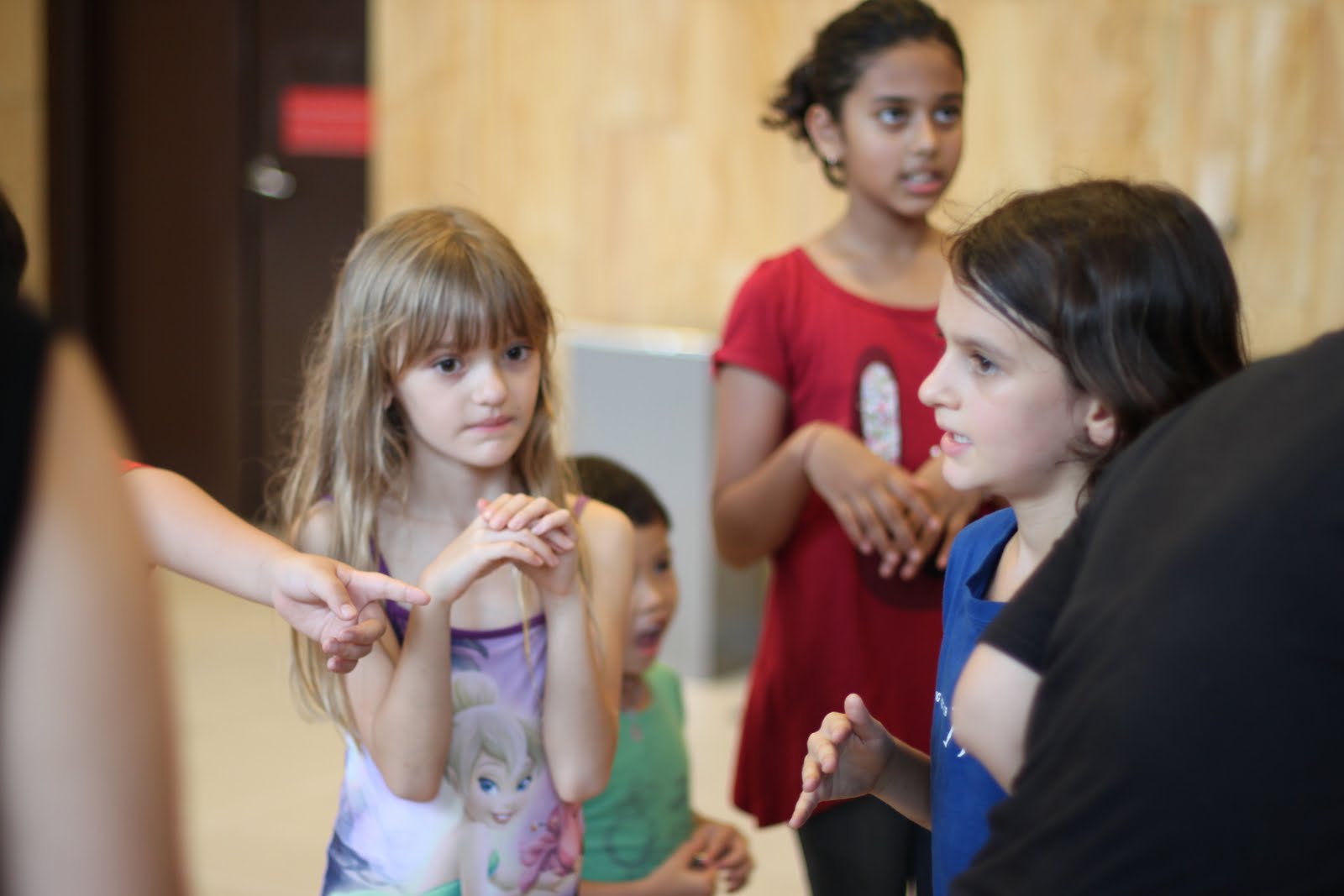
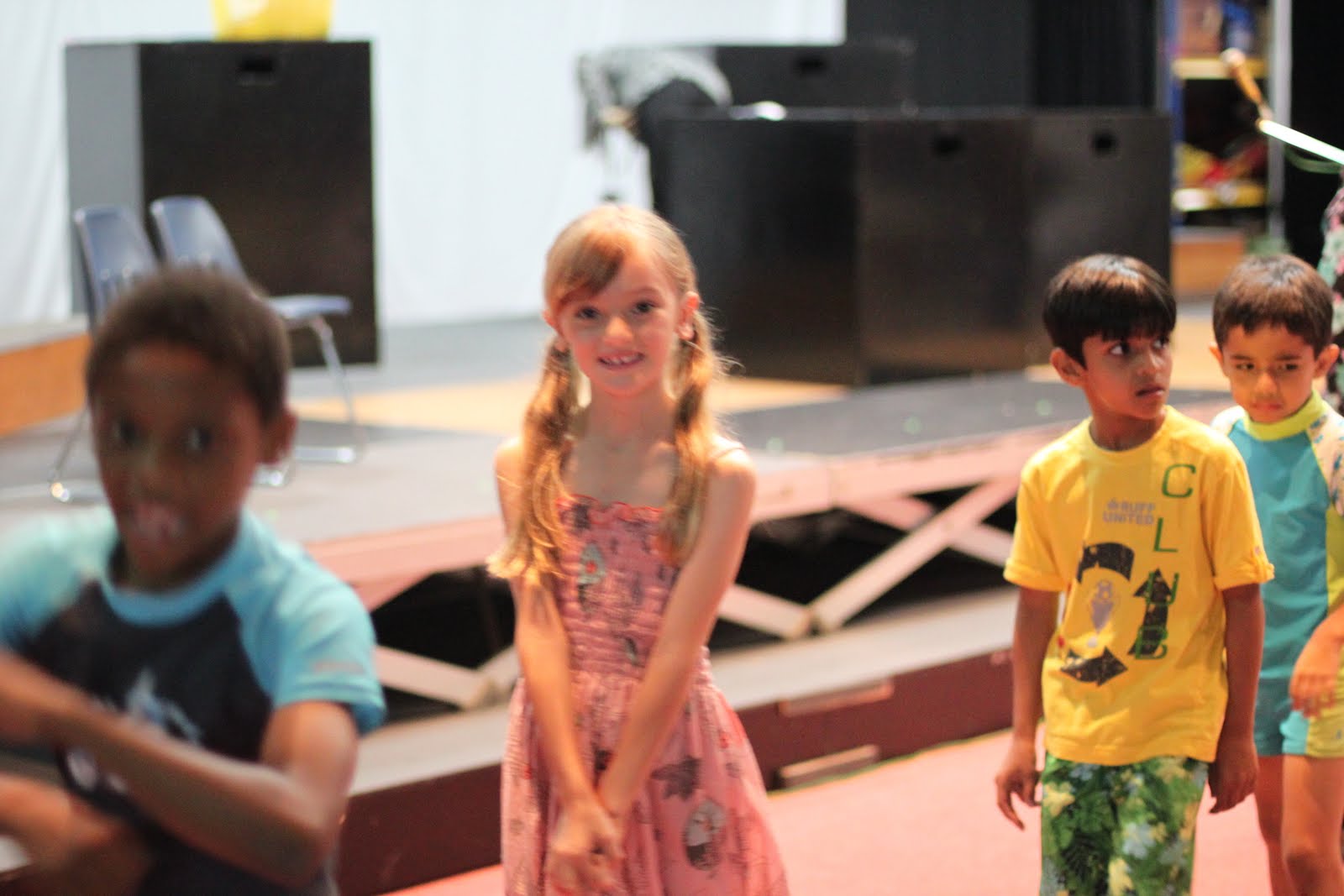
Freeze! Dance Party
Frozen
Vietnamese and Indian moms organizing the party at our condo -- Mimi and Tina
Ironic that Tina is Hindu, not Christian, organizing an Easter event
Mimi is the enforcer, always forced to collect money from the parents to pay for the event
Our babysitters Rhianna and Cassie - doing the freeze dance with the kids
Minh, a Vietnamese mom who also sells her spring rolls to us and other families. Yum!

Varsha, the grand organizer, from India
Ken and Varsha have become good friends, both stay-at-home parents of ISKL kids

April, 2011

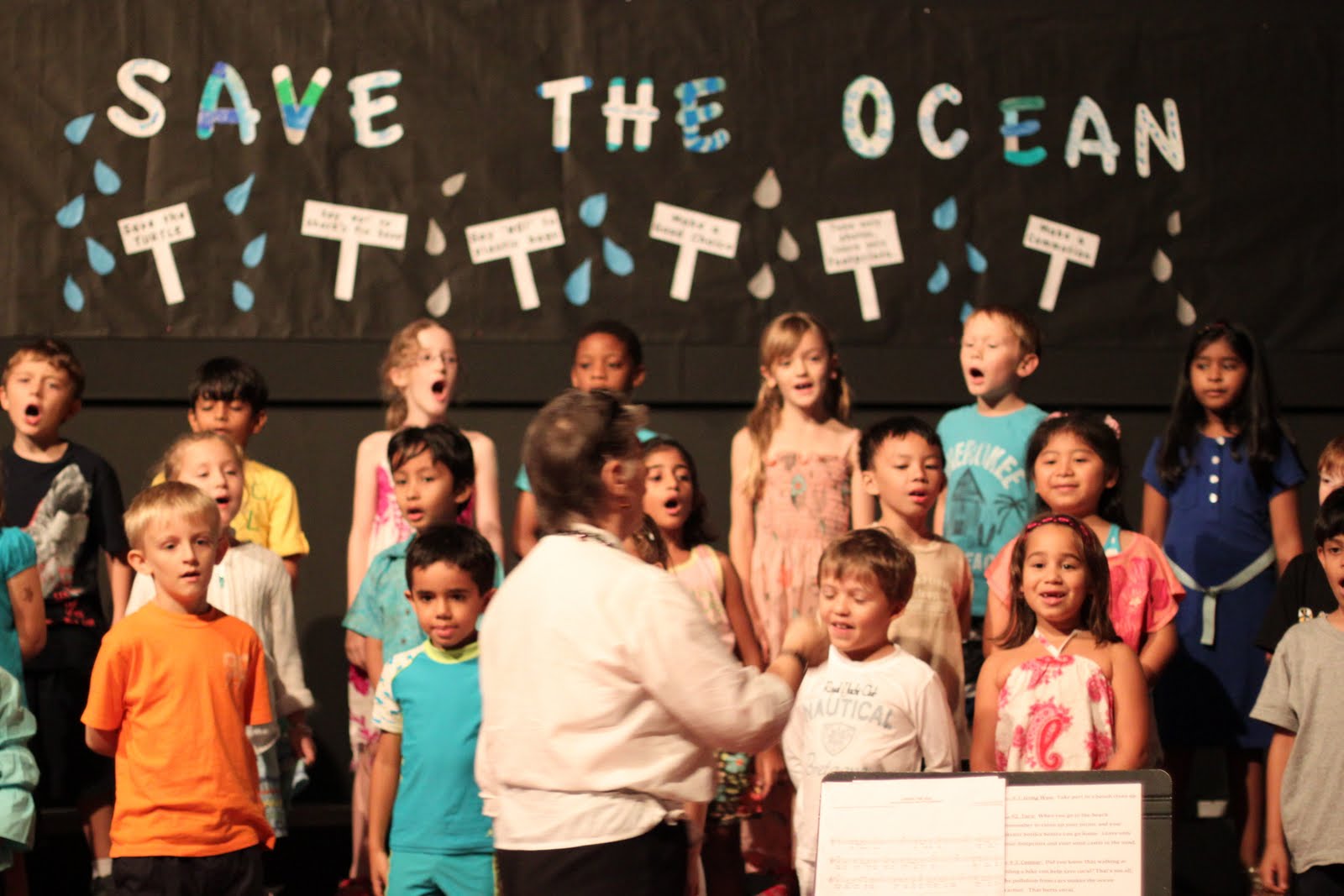
Alice's Blog -- 1st Grade "Save the Ocean" ISKL Performance


Ms. Thompson, Alice's teacher, biting her nails


Ms. Grace, Alice's assistant teacher


April 28, 2011

Alice's blog:

When I stood up on stage, there was a great hush over the audience. First, Sammy said "Coral Necklaces for sale! Beautiful earrings made out of coral straight from the reef!" I said my line which was "That coral necklace is gorgeous. I want to buy some for my sister and grandma." Then Jeffrey said to the audience "Do you think that was a good choice or a bad choice?" And the audience said "BAD CHOICE!!!!!!!!!!!!!" And, I said "You're right, coral is a living thing and even dead coral is important to the reef. We shouldn't be using it for jewelery."

Click HERE to see me speaking in the show.

Then we sang songs about the ocean. The first one we sang was "Zipidy Doo Da" The second one we sang was "Under the sea." The last one we sang was "If you L-O-V-E the O-C-E-A-N" And, they were about trying to save the earth. Click HERE to see me singing.

Kuala Lumpur: Oil is Good! Petrosains Science Museum

Alice working on a pulley system, a la geological process used in oil processing
Moment of cultural conflict played out on a 4-year-old stage
Cultural conflict solved: Muslim-Western tensions have eased, for now

Wearing different types of foot treads, you try not to fall off as the platform turns a sharp angle.
Happy Boom driving a race car, videogame. Petronas racecar, as in the Malaysia state oil company


Alice, at a harrowing point in the race course

April, 2011

In the heart of Kuala Lumpur, just a short stroll from our condo, we went to the Petrosains Science Museum which is a transparent stab at oil propoganda. Living in an oil-rich and propoganda-rich country, I need to distinguish what type of oil propoganda, among the many to choose from. The type of oil propoganda I mean is the kind that "educates" you in the nuts and bolts of what they are trying to sell you. As far as I can tell, they are trying to have us welcome the oil business and geological science into our lives. And, they want to start educating young children on the science necessary for them to grow up to be both supporters of an oil-dependent nation and become little scientists facilitating the oil business.

Let's be clear, there are no exhibits on climate change. None on alternative energy like solar power. But, there is one with a singing T-Rex, describing how oil came from his fossils. My kids love that one. Truth is, many of the science-oriented exhibits are fun to manipulate.

My kids' favorite may be the helicopter simulator that you climb into, it rocks you around pretending you hit a storm, then it lands you on top of an oil rig. On the oil rig, you can reach your hand in and touch sludge that you find remaining on an oil drill bit.

Alright, it's not all propoganda. You can do fun kid things like sliding down tubes, driving video game oil-sponsored race cars, and ride an incredibly slow rollercoaster-like ride at the start and end of the museum, making you watch a series of videos propogating the notion of a nation of united ethnic groups in support of the oil-fueled nation (rather than the reality of a divided, discriminatory system only allowing Muslim Malays access to oil wealth). The slow rollercoaster also forces you to wait in a painfully slow line in which locals here seem completely comfortable and patient standing. Us New Yorker parents, however, would rather clean oil sludge off drill bits than stand in that line.

Shoptalk:Kuala Lumpur Focus Group with Teachers of Refugee Children


I explained the purpose of the focus group. We videotaped it and focused the videocameras on everyone's number, on their arms to protect their identities when they spoke.

HELP University Lecturer Anasuya led the focus group. She specializes in qualitative research while I specialize in quantitative research, so I was thrilled to have her run a focus group that I'm clueless how to lead. It was a learning experience for me.


Dr. Anasuya listening carefully. She was talented at pulling out themes across multiple people's comments, and using that theme to stimulate further discussion.
Tutors from HELP University who are in my Refugee Children research lab did the video and audiotaping. They are also facilitating the transcription and writing of a publication on the focus group.
I took notes the entire time since I needed the results of this focus group immediately to create a refugee teacher training manual in time for a training intervention a few weeks away. It takes a long time to transcribe the focus group and get the detailed results.
Here, Dr. Anasuya has turned her back and is looking back to a dominating participant who turned out to be a supervisor of the teachers, unfortunately shutting down some of the teachers' more honest comments.


April 15, 2011

This focus group asked for teachers' perspectives on how to manage urban refugee students' behavior, attention, and emotions in class. Let me first put this focus group in perspective.

In Malaysia, refugees are illegal and under the threat of detention because Malaysia did not sign the UN convention for protection of refugees. Over 13,000 school-aged refugee students are not allowed to go to government schools, as a result. In fact, they have to hide away from the Malaysian government for safety reasons. But, being barred from a formal education doesn't stop these hidden refugee communities from starting informal "learning centres" for their refugee children's education. Hidden away in kitchens, living rooms, and high up in crime-ridden apartment buildings, the refugee communities have small learning centres staffed by untrained refugee teachers. Despite such a resilient effort, the refugee communities are only able to provide a sparse education for 30% of the 13,000 school aged children, typically only taught til age 12. Then, these students are not allowed to work here, leading to a question of why bother getting educated and how can you keep hope for the future?

One of these refugee schools has grown to the size of 700 students! And, they have to turn away a long waitlist of refugee students every new semester. The school is called Harvest Centre, and they have become my partner in crime, er, I mean research, of these "criminal," illegal refugee students and their teachers. Our goal is to improve the services for these underserved refugee students by training their teachers. The government provides its government teachers so much training that the teachers are downright annoyed by having to go to yet another training. These refugee teachers are DYING for more training. The refugee teachers are also put on waiting lists and turned away by Harvest for their multiple trainings on content, like Math and English. These trainings are funded by UNHCR.

But, Harvest has not done any trainings of the refugee teachers on how to manage the refugee students' behavior, attention, and emotions. Refugee student behavior is a real issue. Many are like "wild mustangs" in the classroom, as one refugee school leader quipped, because they come straight from the hills of Burma, often never having set foot in the classroom. Most of the refugees in Malaysia are Burmese, almost 80% of them. Other refugee students are from Afghanistan, Somalia, or Sri Lanka and have had an equally spotty history of education due to their escape from their countries of origin, and often due to their maltreatment by those in power in their countries of origin. So, when they arrive in Kuala Lumpur, school is a completely new experience for them, and it often leads to problematic behavior and focus in the refugee classes.

The teachers are also not trained in how to best manage their behavior, and they often come from very traditional education backgrounds where the sole method of behavior management back in Burma was using the cane as corporal punishment, or, even, just to get their attention in class. The cane was even used to whip kids for minor issues like not doing their homework. Truth, is that happens in Malaysian government schools too. The larger issue is that the refugee classes are overcrowded, overheated, undertrained and resourced, only have half-day classes in order to accomodate all the students, and face real issues in their refugee students, including anxiety, attention problems, distraction due to trauma from their country of origin, detention, family problems, or multiple moves across Southeast Asia.

In this focus group we asked 10 Harvest Centre teachers whose classes are largely filled with refugee students (Most of these 10 Harvest teachers were local citizens, from Sarawak, or refugees themselves; The teachers we will be targeting in the community refugee schools are all refugees):
1. What are the challenges of working with refugee students in your classrooms?
2. How do you manage their behavior, attention, and emotions in class?

1. Regarding the challenges of teaching these refugee students, the following themes emerged from the teachers' discussion:
  • "I feel like I spend more time managing their behavior than teaching."
  • The teachers might teach a class for 6 year old children, but they also have 12 year old children in it, because those children are 6 years behind in their education.
  • It can be tough for the teachers to stay hopeful for the students' future and to keep the students motivated for their education.
  • At the same time, school is a safe haven for most of the refugee children. School is often a happier place for the children, when home and their neighborhood can be an unhappy place. School can give some much-needed freedoms that the Malaysian government restrictions don't allow for students. Harvest keeps their students safe by dressing them in government uniforms, even though the refugee students do not go to a government school. These government uniforms will camouflage and protect them from the concerning phenomenon of local citizens harassing the students to and from school because they are refugees, or the immigration police finding the students.
  • Some parents do not value their children's education, leading some children to have poor school attendance and homework completion, taking their children out of school to work as young as age 10, and marrying off some of their daughters as young as age 13.
  • There is high student turnover in their classes, due to refugee resettlement elsewhere, constant flow of new refugees into KL, high need of uneducated students to start school, and the unpredictable mobility of student families.
  • Some refugee students won't sit still and seem to think school is for playtime with their friends rather than work time.
  • Other students are insolent or disobey the teacher, having cultivated a strong distrust of authority.
  • Some students seem shut down and too quiet, almost withdrawn, as if they are preoccupied by worrying thoughts.
  • The students can get stir crazy because they are unable to exercise due to safety concerns, that they might anger local citizens who are neighbors by their noisy exercise.

2. The teachers handle the refugee students' behavior, attention, and emotions by:
  • For the most serious misbehavior, the teachers have a well-known secret method of threatening to send the child to the headmaster for corporal punishment. They may call the parents to tell them about the child's serious misbehavior.
  • For the semi-serious misbehavior, the teachers may simply show the cane to the children. Or "scold" the children.
  • For the more common misbehavior, the teachers use their "authority." -- Body language like standing tall, strong, and serious eye contact to the child. Their voice is equally strong and serious. One teacher spoke of using empathy, asking the student what is wrong, what is making them so disruptive that day. Another spoke of using the "if, then" technique of "If you finish two workbook pages, then you can play with your friends." This particular school also has a Montessori method in its younger classrooms where they ask the children, "Are you ready to learn today?" helping to put them in a focused frame of mind. With older students, a couple teachers give the students a menu of topics they can choose from to study that day, just so they finish covering all the topics by the end of the month, for example.
3. The teachers get very stressed by working with these equally stressed refugee students, and the teachers have trouble finding time to take care of themselves. But, these are some self-care strategies the teachers reported using:
  • With Students -- The teachers struggle with and try to practice anger, stress, patience management.
  • In Class -- The teachers try to take little breaks like reading books to the students. They stay hopeful at school by sometimes spending time with the younger students, the "babies," who seem innocent and motivated. They mentioned feeling hopeful by "a smile on a student's face," "playing with the students," and "getting a student to laugh."
  • Out of School -- At home, some try to stay clear that "Now is MY time," not schoolwork time at home. Many do religious activities that recharge them spiritually.
In the end, we will use the refugee teachers' input to adapt a teacher classroom behavior management manual we used at NYU with teachers at underserved Brooklyn public schools, which have a different set of challenges than refugee schools in Malaysia.

We also realized by the end that this focus group doubled as much-needed therapy for the refugee teachers, given how alone they often feel with all their teaching stress. At the end, we discuss the possibility of their having a monthly teacher support group.

Kuala Lumpur: Explosion from Hampshire Park building into our Apartment

17th floor on the right, blackened by the explosion and subsequent fire
17th floor on the left -- our apartment
A window frame flew out from the 17th floor on top of this car which had a driver in it.
The driver is in the hospital, lucky to have escaped with only arm burns.
Back of the car
A small taste of the glass that had been on the ground last night

Explosion site of Hampshire Park 17th floor apartment: Living room with wall exposed. Furniture miraculously preserved. The flames seemed to have stayed on the ceiling. The explosion punched a hole in the roof above and the floor below.
Inspector sitting and chilling in the exploded apartment. Taking it easy.
Up close.
Balcony railing hanging off, waiting for a dangerous fall. No one seems in a rush to get it down.
View from our balcony


Floor to Ceiling Glass Windows/Sliding Door Frame Detached from outer Wall, just plain popped out due to explosion impact
Balcony door popped off
Neighbor's window burst, even further from explosion
Another view of our sliding glass door popped off
Transom at ceiling is ready to fall, just a bit of a jiggle
and it looks like it and its glass will fall down

May 9, 2011

At 7pm last night, a huge explosion burst into our 17th floor apartment, blowing all the glass doors/windows on our porch out. One entire glass door/window frame to the balcony, floor to ceiling, came apart from the wall, no longer affixed to the building. The other door collapsed out onto the porch. The blast blew broken glass into our house. People blocks away felt the blast, it was so strong. It shook buses nearby.

We were wishing Mary a Happy Mother's Day on skype in our pajamas at the time , and I screamed then hung up on them when the explosive impact burst through our glass doors and windows. What went through my and Ken's minds was that the only kind of explosion that blows in 17th floor windows is one from the ground and probably one from a car bomb. We thought the downstairs floors might be seriously damaged and cause the building to collapse. So, the faster we got downstairs, the more chance we had to survive.

I grabbed the kids, all screaming and my post-9-11 plan for an emergency in a high rise kicked in. No shoes were put on. No elevators were taken. We ran for the staircase, with Ken grabbing our keys, wallet, and picking up some shorts on the run out for naked Griffin. We scrambled to find the nearest staircase which, it turns out, was hit by the blast so all the windows on each staircase floor had been blown in, spreading a layer of glass shards all over the floor.

I hesitated before having my kids ran barefoot on glass then said RUN DOWNSTAIRS! They ran like bats out of hell, so fast that Ken and I got nervous because we were worried that the bottom floors may have been blown out or on fire. I screamed for them to wait but there was no stopping the kids. They ran ahead, with Griffin flying down the stairs, stepping on glass the whole way. With each floor, I'd yell to them, "We're going to be Okay, We're going to be Okay..." not so sure myself. The electricity was out at the bottom making it a more harrowing and dark descent, with us completely losing sight of Griffin.

We landed on the bottom floor, running out to the freight garage seeing even more glass on the ground and security guards coming to take us away from the building. But, as we stepped out we looked ahead and didn't see Griffin anywhere! We started panicking again, yelling "Griffin! Griffin!" Ken said he was faced with a Sophie's Choice, not knowing if he should run ahead to safety or go back in the building that still seemed like a danger to us.

The security guard lied and said they'd taken Griffin out to safety. So we ran ahead, yelling Griffin's name but realized Griffin was not outside and still inside! Then we turned and saw the source of the explosion -- it came from the building next door, not from our building. The 17th floor apartment of the next door building had exploded and flames continued to pour out even now, in a steady flow.

Then, we heard Griffin's voice and he was up on the second floor pool area yelling for us. He was completely freaked out but luckily a young woman had found him and yelled that she would bring him downstairs. He was very scared, having become separated from us, by himself, landing on the second floor which had collected 30 floors of glass by the pool. Turns out he had followed the young woman running down the stairs ahead of us when she mistakenly exited to the pool instead of one floor below that, to the ground floor.

We were all so relieved to be out of the building, but we were still scared. The kids were crying because their feet were covered in blood. We carried them away from the building because we thought the neighboring high rise looked like it might go up in flames. We carried the kids and went straight to the Corus Hotel next door which, even some distance away, had also had some windows blown out from the force of the explosion. A couple men helped carry the kids over the strewn glass and into the hotel. We collapsed on the hotel couches in our pajamas, barefoot, with Ken also topless trying to check us in.

I took the kids to the public bathroom there and soaked their feet in water, trying to get the biggest pieces of glass out. As Ken waited in line to check us in, a man cut in front of him and Ken almost lashed out at the man. But, he restrained himself and took us upstairs to rooms where we thoroughly washed and removed the tinier shards of glass from our feet.

Abraham didn't speak the rest of the night, except to say he was scared in the dark and wanted a Mommy snuggle.

Griffin was tormented by catastrophic thoughts of buildings collapsing and other safety fears for our return to our apartment. He started hitting his head with his hand to stop the scary thoughts. I snuggled him, holding his hands down to calm him. He went to sleep after a while, in bed with Ken.

Alice's reaction was to repeatedly ask "What am I going to wear tomorrow? Will the principal let me into school without a uniform? What about my girl scouts uniform? I can't go to girl scouts without my uniform!"

I slept with Alice and Abraham in bed. No one slept well. Alice would wake up and sit bolt upright asking more questions. Abraham would reach out and grab for me every so often.

As they slept, Ken returned to the building without telling me just to check it out and thought it would be blocked off by police. While they had stopped the fire in the neighboring building, probably by turning off the gas supply, there were still police and firemen around. Really, just sitting around. No formal inspection seemed to be going on. Ken expected that, as in NYC, there would probably be a day or more where everyone had to leave the building while serious damage and safety was determined.

No, in fact, he just slipped under the caution tape and walked right in. No one was stopping him or anyone else from walking in. Most everyone had gone back up to their apartments in our two towers. And, even though the glass door to the elevator room was broken, the guard told him it was fine to use the elevator to go up. Ken went upstairs, scared, and walked in to find all the windows/doors blown open, glass on the floor (not from our glass but blown in by the neighboring building), and a coating of plaster most everywhere, probably from where the wall of glass on our balcony became detached from the actual wall. He grabbed everyone's school uniforms, toothbrushes, and rushed out with a suitcase, back to the hotel.

We struggled with the decision of whether or not to send them to school the next morning, with a 6am wakeup after such a horrible night. What a good decision we made to send them to school. Everyone at the bus stop had been through the same scary experience, and they completely understood. Alice's friend brought her a hair brush and rubber band so she could tie her hair back. And, she brought Alice a girl scouts tshirt, so she'd fit in at girl scouts. The nurse at school checked all their feet, deeming them fine although finding one deep cut on Griffin's toe.

Ken and I returned to our apartment. It was scary to return but once we carefully looked at all the damage, we felt better. It seemed like a livable space, for the most part, although the detached 10 by 20 foot glass window/door frame heading onto our balcony was unsettling and seemed precarious, like it might fall if jostled. Click HERE to see when we first returned home for Part 1 video of damage inside our apartment. We pushed the glass door back in place on one side and are just living with the gap between the glass and wall on the other.

Click HERE for an overview of the post-explosion site and its repercussions next door, viewed from our balcony. And click HERE for a video of the slow, laid-back response of the officials come to inspect the apartment where the explosion originated. The explosion happened at 7pm last nite. They came at 11am this morning. You can see the photo above with one of the inspectors sitting and relaxing on the furniture, with the balcony railing hanging off the side of the building, ready to fall and injury someone.

A 61-year-old British man working at AET Tanker Holdings Sdn Bhd lived in the apartment with the gas explosion. He ran out with 70% burns and is in the hospital now. We are amazed he was able to get out alive. Update: Sadly, the man passed away this week.

Update: Alice is still limping from a cut bothering her and exhausted. Abraham was very frightened to return home, sobbing if I even walked into a neighboring room in our house, away from him. He slept hard, though, once in bed. A couple weeks later, Abraham continues to have nightmares and separation anxiety, refusing to go to his room or the bathroom alone.